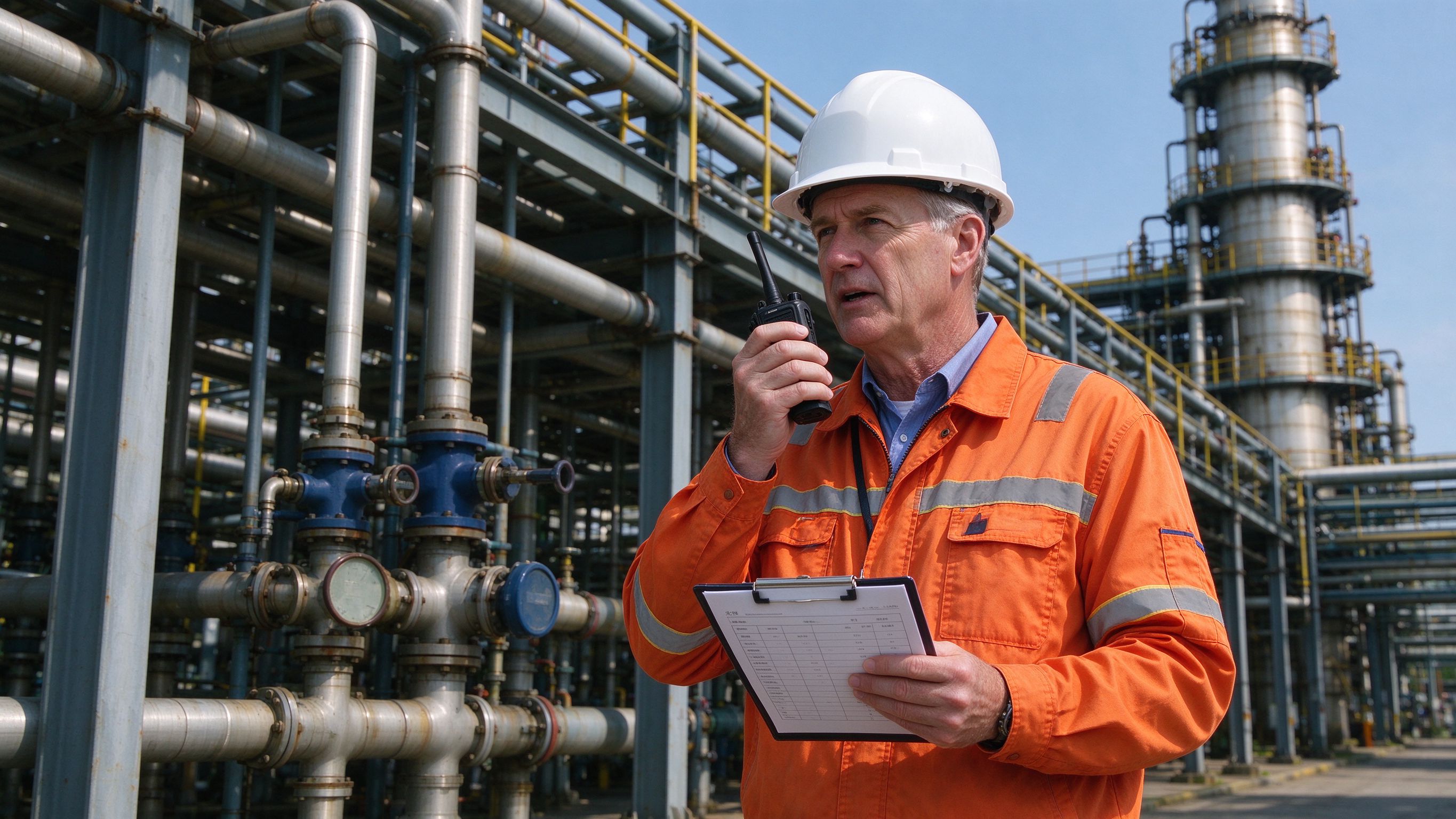
When working in hazardous environments, communication is crucial, but it must also be safe. This is where intrinsically safe radios come into play. Designed to prevent sparks or heat that could ignite flammable gases, dust, or vapors, these radios are essential for industries such as oil and gas, mining, chemical plants, and manufacturing. In this article, we will explore what makes these radios unique, their certifications, and how to choose the right model for your needs.
What are Intrinsically Safe Radios?
Intrinsically safe radios are communication devices specifically designed to operate safely in potentially explosive environments. Unlike standard radios, these models are engineered to limit energy levels, preventing sparks or heat generation that could ignite dangerous substances. This makes them ideal for industries where flammable materials are present.
Key Features of Intrinsically Safe Radios
- Energy Limitation: Components are designed to limit electrical and thermal energy below ignition thresholds.
- Robust Construction: Durable casing to withstand harsh conditions.
- Certifications: Compliance with standards like ATEX, IECEx, or ANSI/UL.
- Reliability: Consistent performance even in extreme environments.
These radios are not only crucial for safety but also for maintaining effective communication in environments where traditional devices could pose risks.
Certifications That Ensure Safety
When selecting an intrinsically safe radio, understanding certifications is vital. These certifications confirm the device’s compliance with safety standards.
ATEX Certification
ATEX (Atmosphères Explosibles) is a European standard ensuring equipment is safe for explosive atmospheres. Radios with ATEX certification are tested rigorously to ensure they do not pose ignition risks.
IECEx Certification
The International Electrotechnical Commission System for Certification to Standards Relating to Equipment for Use in Explosive Atmospheres (IECEx) provides a global framework for safety standards. This certification is widely accepted across industries worldwide.
ANSI/UL Certification
In the United States, ANSI/UL standards are commonly used to certify equipment for hazardous locations. Radios with this certification meet strict safety requirements for explosion protection.
How to Choose the Right Intrinsically Safe Radio
Selecting the right radio depends on your specific needs and the environment in which it will be used. Here are key factors to consider:
1. Understand Your Work Environment
Assess the risks in your work environment. For example, oil rigs may require radios that are resistant to saltwater corrosion, while mining operations may prioritize dustproof designs.
2. Check Certifications
Ensure the radio meets certifications suitable for your region and industry. For instance, ATEX might be essential in Europe, while ANSI/UL is critical in the U.S.
3. Battery Life
Long battery life is crucial, especially for extended shifts in hazardous environments. Look for models with high-capacity batteries.
4. Additional Features
Some radios offer features like GPS tracking, emergency alerts, and noise cancellation. Evaluate which additional functionalities align with your operational needs.
Benefits of Using Intrinsically Safe Radios
Adopting intrinsically safe radios offers multiple advantages:
- Enhanced Safety: Minimized risk of ignition in hazardous environments.
- Improved Communication: Reliable connectivity in challenging conditions.
- Compliance: Meet industry safety standards and regulations.
- Durability: Built to withstand extreme temperatures, moisture, and physical impacts.
Real-World Applications
Oil and Gas Industry
In oil refineries and offshore rigs, flammable gases are a constant presence. Intrinsically safe radios are used to maintain communication without risking explosions.
Mining Operations
Dust and vapors in mines can be highly combustible. These radios ensure safety while enabling workers to stay connected underground.
Chemical Plants
Chemical processing facilities deal with volatile substances, making intrinsically safe communication devices a necessity.
Manufacturing
In factories dealing with flammable materials, these radios help maintain safe operations while adhering to strict safety protocols.
Conclusion
Intrinsically safe radios are indispensable tools for industries operating in hazardous locations. By prioritizing certifications, understanding your environment, and selecting the right features, you can ensure safety and reliability in your communication systems. At Walkie Talkie Wholesale | IP68 Industrial Radios & More, we offer a wide range of certified intrinsically safe radios tailored to meet your operational needs. Contact us today to find the perfect solution for your business.